Queensway front garden makeover case study by Bayswater gardeners
If your front garden feels tired, awkward, or just a bit forgotten, you are not alone. Front spaces in London often have to do a lot of jobs at once: look welcoming, stay practical, cope with shade or traffic, and not become a maintenance headache. This Queensway front garden makeover case study by Bayswater gardeners looks at what goes into turning a scruffy or underused entrance into a cleaner, smarter, easier-to-live-with space.
In this article, we will walk through the thinking behind a front garden redesign, the stages involved, the common mistakes people make, and the best-practice details that make the difference between "done" and properly finished. If you are weighing up a refresh for kerb appeal, daily usability, or long-term upkeep, this will help you make better decisions. And yes, a front garden can be both attractive and practical. It really can.
For readers who want to understand the wider service context first, it can help to start with the services overview and the team background on the about us page. That way, the approach makes a lot more sense when we get into the details.
Table of Contents
- Why the Queensway front garden makeover matters
- How the makeover process works
- Key benefits and practical advantages
- Who this is for and when it makes sense
- Step-by-step guidance
- Expert tips for better results
- Common mistakes to avoid
- Tools, resources and recommendations
- Law, compliance, standards, or best practice
- Options, methods, or comparison table
- Case study or real-world example
- Practical checklist
- Conclusion
- Frequently asked questions
Why Queensway front garden makeover case study by Bayswater gardeners Matters
A front garden is not just decoration. It is the bit people see first, the bit you walk past every day, and often the bit that reveals whether a property feels cared for or neglected. In busy areas like Queensway, front gardens can become cramped, shaded by buildings, affected by foot traffic, or simply cluttered with old planting and worn surfaces. A thoughtful makeover can change all of that without trying to do too much.
This matters because front gardens sit at the intersection of appearance, function, and maintenance. If the layout is wrong, even a nice planting scheme can feel messy. If hard landscaping is heavy-handed, the space can look cold. If everything is planted but nothing is structured, it can soon become a jungle. Truth be told, the trick is balance.
For a local gardener, the Queensway context also matters because front spaces often need solutions that are durable, tidy, and easy to keep in shape. A front garden does not have to be spectacular. It has to work. That may mean better boundaries, sharper edges, sensible planting, improved access, and a surface that does not turn into a mud patch after the first wet week.
Expert summary: the best front garden makeovers are usually not the most dramatic ones. They are the ones that solve the everyday problems first: access, structure, drainage, maintenance, and a clean visual line from the pavement to the front door.
How Queensway front garden makeover case study by Bayswater gardeners Works
The process usually begins with a proper look at the existing space. Not a quick glance. A good front garden makeover starts with what is already there, what needs keeping, and what should probably go. Sometimes there is a healthy shrub worth saving. Sometimes there is an old hedge that needs reclaiming. Sometimes there is little more than compacted soil and a few forgotten pots. That is fine. Starting point matters less than making the right plan.
Next comes the layout decision. This is where the design earns its keep. Do you want more planting? A low-maintenance entrance? Better privacy? A small paved section for bins or bikes? Perhaps a neater path that actually makes sense when carrying shopping bags and keys at the same time. These questions are not glamorous, but they are the ones that shape a better result.
Once the structure is agreed, the work can be broken into practical phases: clearance, shaping, ground preparation, hard landscaping if needed, planting, finishing, and tidy-up. If the project includes overgrown beds or old garden waste, a proper garden clearance stage is often the smartest way to begin. It gives the new layout room to breathe, which sounds dramatic, but really just means the space stops fighting you.
Where a makeover includes lawn repair or a small grassed area, ongoing care can be planned alongside the design so the finished garden stays presentable. That is where garden maintenance becomes part of the picture rather than an afterthought.
Key Benefits and Practical Advantages
The biggest benefit of a front garden makeover is clarity. The space looks intentional instead of accidental. That alone changes the feel of the whole property. But there are more practical gains too.
- Improved kerb appeal: a neat, coordinated front garden instantly makes a property feel better kept.
- Easier upkeep: the right plants and layout reduce weekly hassle.
- Better access: pathways, edges, and access points can be made more comfortable and safer to use.
- More usable space: clever design can turn dead areas into useful ones.
- Seasonal resilience: with the right choices, the garden can handle damp, shade, and changeable weather more calmly.
- Longer-lasting value: quality groundwork and sensible planting usually save money over time.
There is also something less measurable but very real: how it feels to come home. A front garden that is tidy, soft, and well shaped changes the mood before you even reach the door. It is a small thing, maybe. But not really small when you live with it every day.
Who This Is For and When It Makes Sense
This kind of project suits homeowners who feel their front space no longer matches the house. Perhaps the planting has outgrown itself, perhaps paving looks patchy, or perhaps the whole area has become too high-maintenance for the time you realistically have. Let's face it, not everyone wants a garden that needs a weekend and a strong coffee every time spring arrives.
A front garden makeover makes sense if you are:
- preparing to sell or rent and want a stronger first impression
- struggling with an overgrown or neglected entrance
- wanting a more modern, low-maintenance look
- trying to improve privacy without blocking light completely
- fed up with muddy edges, uneven borders, or awkward access
- planning a wider landscaping refresh
It also suits people who know they want change but are not sure what form that should take. A good gardener can help translate vague ideas into something practical. "I want it smarter, but not sterile" is a perfectly normal brief, by the way. We hear variations of it all the time.
If the redesign is part of a bigger property upgrade, you may also want to look at broader landscape gardening or a full landscaping approach, especially when hard landscaping, levels, or access improvements are involved.
Step-by-Step Guidance
Here is a practical way to think about the makeover process from start to finish.
1. Assess what is working and what is not
Walk the front garden as if you were arriving at the property for the first time. What do you notice first? Is the path obvious? Are the edges tidy? Is the planting balanced, or does it crowd the entrance? This simple review often reveals the real problems straight away.
2. Strip out the clutter
Remove dead planting, broken pots, old edging, and anything that no longer supports the new plan. This is where a clearance phase helps most. A stripped-back space gives you a clean visual field and avoids the "we will just work around it" problem, which is rarely a brilliant idea.
3. Decide on the structure
Structure is what makes a front garden feel stable. It can come from paving lines, low walls, retaining features, hedge shapes, or even simply the shape of the beds. Without structure, a planting scheme has to work much harder and often loses the plot a bit.
4. Prepare the ground properly
Ground prep is the unglamorous bit that often decides the final quality. Soil may need improving, compacted areas may need loosening, and old roots or rubble may need removal. Skipping this stage is one of the quickest ways to create future problems. Irritating, but true.
5. Install any hard landscaping elements
If the design includes paving, edging, or timber features, these should go in before detailed planting. Some front gardens benefit from a small seating or platform area, while others need only a neat threshold and a better-defined path. If decking is part of the layout, the team's decking services may be relevant where a raised or transitional surface is needed.
6. Plant for the site, not just for the picture
Choose plants that suit the light, soil, and maintenance level. A shaded urban front garden needs different choices from a sunny courtyard-style entrance. This sounds obvious, yet it is where many projects wobble. Pretty plants are fine. Suitable plants are better.
7. Finish with clean lines and practical care instructions
The best makeovers end with clear edging, tidy mulch or top layer finishes, and realistic advice on watering, pruning, and seasonal checks. There is no mystery to a good finish. Just attention.
Expert Tips for Better Results
Small design decisions have a big effect in front gardens, especially in tighter London spaces. A few professional habits make the outcome more polished and much easier to live with.
- Keep the number of plant types sensible. Too many varieties can make a narrow front garden feel chaotic.
- Use repetition. Repeating a few key plants or shapes creates calm and coherence.
- Think in layers. Low ground cover, mid-height planting, and one or two focal points usually work better than a crowded mix.
- Leave room for growth. Young plants look small now, but they will not stay that way.
- Choose edging that suits the style. Hard, neat edging suits a crisp contemporary look; softer borders suit a more relaxed scheme.
- Design for wet weather. Queensway and wider west London conditions can be damp and changeable, so surfaces and plant choice need to cope.
A little secret from real projects: people often fall in love with the most dramatic design element and then ignore the everyday details. Usually, it is the everyday details that save the whole scheme. A straight path. Better borders. Less mess. That kind of thing.
Where topiary or boundary control is needed, regular hedge trimming can keep the shape crisp without overcomplicating the garden. And if there are trees overshadowing the space, it may be worth considering tree lopping and removal where appropriate and lawful, especially if light levels are poor or branches are interfering with access.
Common Mistakes to Avoid
It is easy to overspend or overdesign a front garden and still not get the result you want. Here are the mistakes we see most often.
- Ignoring access: a beautiful entrance is not much use if the path is awkward.
- Overplanting: stuffing too much into a small space usually creates future maintenance pain.
- Choosing by looks alone: a plant may look great in the nursery and struggle badly on site.
- Skipping ground prep: poor soil and old debris cause avoidable problems.
- Making the design too busy: front gardens often need restraint more than drama.
- Forgetting maintenance: if nobody has time for weekly work, the design should not pretend otherwise.
Another common slip is treating the front garden like the back garden. They are different spaces. Front gardens are more visible, more exposed, and often more structured. They need a slightly firmer hand. Not harsh, just clear.
Tools, Resources and Recommendations
A solid front garden makeover depends on the right tools and materials, but also on the right way of using them. For most projects, the key resources are straightforward:
- clear project notes and measurements
- quality soil improver or top dressing where needed
- reliable edging and fixings
- appropriate planting for shade, exposure, or drought tolerance
- clean-cut tools for pruning and shaping
- safe access equipment where heights or awkward boundaries are involved
For recurring upkeep, it helps to plan services in advance instead of waiting until the space becomes unruly. Regular lawn mowing may be relevant where a small grassed area remains, and if the garden needs seasonal upkeep, having a maintenance plan is usually the least stressful option.
It is also worth asking how waste is handled. Responsible disposal matters, especially when a project produces a lot of cuttings, soil, or old hardscape materials. If that side of the job matters to you, the company's recycling and sustainability information is worth reviewing.
Law, Compliance, Standards, or Best Practice
For a front garden makeover in the UK, compliance is less about red tape and more about doing the basics properly, safely, and with respect for neighbours and property boundaries. If trees, hedges, or boundary features are involved, it is sensible to check ownership and avoid assumptions. The same goes for shared access routes and any features that might affect visibility or movement near the pavement.
Health and safety should not be an afterthought, even on a domestic project. Good practice includes safe handling of tools, sensible control of debris, and awareness of trip hazards during work. Where heavier work is planned, it is reassuring to know that the company's health and safety policy and insurance and safety arrangements are in place. That is not flashy, but it matters a lot when things get busy.
Best practice also means transparent pricing, clear expectations, and sensible communication about scope. You should know what is included, what is not, and how changes are handled. For that reason, the pricing and quotes page can be useful when planning a job, especially if you are comparing a simple refresh with a fuller redesign.
If you ever need to understand the practical terms of service, the terms and conditions page is there for exactly that kind of clarity. And if you want to know how the business handles personal data, the privacy policy is the place to look. Boring? Maybe. Important? Absolutely.
Options, Methods, or Comparison Table
Front garden makeovers can be approached in a few different ways. The right one depends on budget, time, maintenance appetite, and the current condition of the space.
| Approach | Best for | Typical strengths | Trade-offs |
|---|---|---|---|
| Light refresh | Gardens that are basically sound but look tired | Quick improvement, lower disruption, modest cost | Won't solve deeper layout or drainage problems |
| Practical redesign | Spaces with awkward access or poor structure | Better flow, improved usability, stronger kerb appeal | Needs more planning and usually more labour |
| Full landscaping | Gardens with major overgrowth, poor surfaces, or tired features | Most complete transformation, best for long-term value | Higher upfront commitment and more decisions to make |
| Plant-led makeover | Areas needing softness and seasonal interest | Warm, welcoming look; good for smaller plots | May require more ongoing care if plant choices are broad |
In practice, many Queensway front gardens land somewhere between a practical redesign and a plant-led makeover. Not every space needs a complete rebuild. Sometimes the best answer is a measured one: improve the bones, simplify the planting, and leave enough room for the garden to age gracefully.
Case Study or Real-World Example
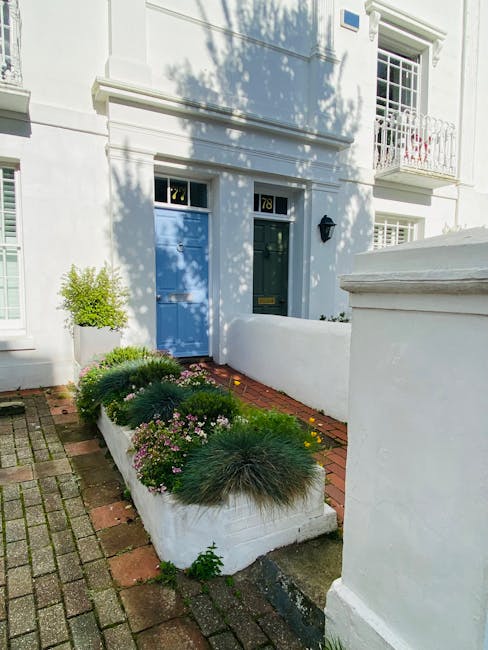
Here is a realistic example based on the kind of work that often comes up in this part of London. A Queensway front garden had become visually cluttered: tired shrubs crowded the entrance, the path looked narrow, and the bed edges had softened into a muddy, uneven line. Nothing dramatic, just that quiet kind of neglect that slowly makes a house feel less cared for.
The first step was clearance. Old growth came out, anything clearly dead or invasive was removed, and the area was stripped back to reveal the actual shape of the space. That alone changed the feeling immediately. You could see the proportions again. A small win, but a useful one.
After that, the design focused on three things: clearer access, cleaner definition, and a stronger planting structure. The path line was made more obvious, edging was sharpened, and the planting scheme was simplified so the front garden would not become busy or high-maintenance. This is where restraint paid off. The final look was calmer, not empty.
Because the entrance needed to feel welcoming through all seasons, the planting mix was chosen for dependable structure rather than novelty. A few evergreen elements gave year-round shape, while softer seasonal planting kept the space from feeling stiff. If the garden had not been cleared first, those plants would have been fighting for oxygen, light, and space from day one. Nobody wants that.
The end result was not flashy. It was better. Easier to navigate, cleaner from the street, and more coherent from the doorway. Exactly the sort of makeover that quietly improves daily life, which is often the whole point.
Practical Checklist
Before starting a front garden makeover, work through this checklist. It saves time, money, and a fair amount of regret.
- Decide what the garden must do: welcome, screen, guide, soften, or all of the above
- Measure the space and note any awkward access points
- Identify what can be kept and what should be removed
- Check light levels at different times of day
- Review drainage or standing-water issues after rain
- Choose a maintenance level you can actually keep up with
- Plan hard landscaping before planting details
- Pick plants suited to the site rather than just the style
- Confirm waste removal and recycling arrangements
- Ask for a clear quote and scope of work
- Factor in future maintenance, not just the initial install
If you want a tidy project from start to finish, it also helps to review the company's payment and security information before agreeing the work. It is one of those practical checks people forget until the last minute.
Conclusion
A front garden makeover is one of the most effective ways to improve how a property looks and feels without completely changing the building itself. In Queensway, where space can be tight and first impressions matter, the smartest projects are usually the ones that combine good structure, realistic planting, and a maintenance plan that makes sense for everyday life.
The main lesson from this case study is simple: start with the problems the space actually has, not the ideas you wish it had. Clear the clutter. Make the layout work. Choose plants and materials that suit the site. Then finish neatly. That is the formula. Nothing magical, just solid garden craft done well.
Get a free quote today and see how much you can save.
If you are ready to discuss your own front garden and want a team with a grounded, practical approach, the easiest next step is to get in touch through the contact us page. A quick conversation can save a lot of guesswork, and often that is where a better garden begins.
Frequently Asked Questions
What is included in a Queensway front garden makeover?
It can include clearance, layout changes, edging, planting, path improvements, hedge shaping, and sometimes light hard landscaping. The exact scope depends on what the garden needs most.
How long does a front garden makeover usually take?
That depends on size, condition, and whether the work is mainly planting or includes structural changes. A light refresh is much quicker than a full redesign, so it is best to get a tailored quote.
Do I need a full landscaping project, or just a refresh?
If the garden is basically sound but messy, a refresh may be enough. If access is awkward, levels are poor, or the layout is not working, a more complete landscaping approach may make better sense.
Can a small front garden still make a big difference?
Yes, absolutely. Small front gardens often benefit the most because clearer structure and simpler planting make the space feel noticeably bigger and cleaner.
What plants work best for a low-maintenance front garden?
Plants that suit the site conditions and hold their shape well tend to work best. In practice, that usually means choosing reliable, site-appropriate planting rather than chasing whatever looks trendy.
Is hedge trimming part of front garden maintenance?
Often, yes. If hedges form a boundary or screen, keeping them trimmed helps preserve shape, light, and a tidy street view.
What if my front garden has been neglected for years?
That is very common. A proper garden clearance stage usually comes first, followed by ground preparation and then the new layout. A neglected garden is not a lost cause. Far from it.
How do I keep the makeover looking good after it is finished?
Build maintenance into the plan from day one. Regular pruning, basic weeding, occasional lawn care, and seasonal checks will keep the space under control. Small, steady care beats big rescue jobs.
Are hard landscaping features worth it in a front garden?
They can be, especially if the area needs clearer access or a more durable finish. But they should support the garden, not dominate it. A balanced design usually lasts better.
What should I ask before booking the work?
Ask what is included, what materials will be used, how waste is handled, whether the team is insured, and what aftercare is recommended. Those questions are basic, but they matter.
How do I compare quotes fairly?
Compare the scope, not just the price. One quote may include clearance, disposal, and finishing details while another only covers the obvious labour. Apples to apples, as much as possible.
Why choose a local Bayswater or Queensway team?
A local team is usually better placed to understand typical London front garden issues such as limited space, shade, access restrictions, and the need for neat, durable finishes. That local familiarity can save time and mistakes.
Sometimes the best garden changes are the quiet ones. A clearer path, a better line of plants, a space that feels like it belongs to the house again. That kind of improvement stays with you, and it's worth doing properly.