Recycling and Sustainability — Gardening Services Bayswater
Welcome to our sustainability overview for Gardening Services Bayswater. We focus on building an eco-friendly waste disposal area and developing a sustainable rubbish gardening area for private and communal gardens across the neighbourhood. This page outlines measurable targets, local transfer stations we use, charity partnerships, and the low-carbon fleet that supports our work. Our approach blends practical green waste management with community-centred reuse.We have set a clear recycling percentage target to track progress: a company-wide goal of 70% recycling and diversion from landfill by 2030, with interim milestones of 55% by 2026. This target covers green waste, compostable material, wood and timber suitable for chipping, and inert materials separated on-site. Every job is audited for waste streams so we can report on diversion rates and continuously improve our eco-friendly garden waste handling.
 Our system emphasises proper on-site separation and responsible disposal. We adopt techniques aligned with local borough approaches to waste separation — for example, separate collections for food waste, garden vegetation, and dry recyclable packaging — and we mirror these where practical for gardening waste. By segregating prunings, turf, soil and mixed debris at source we reduce contamination and maximise the value of recyclable fractions.
Partnerships with Charities and Community Reuse
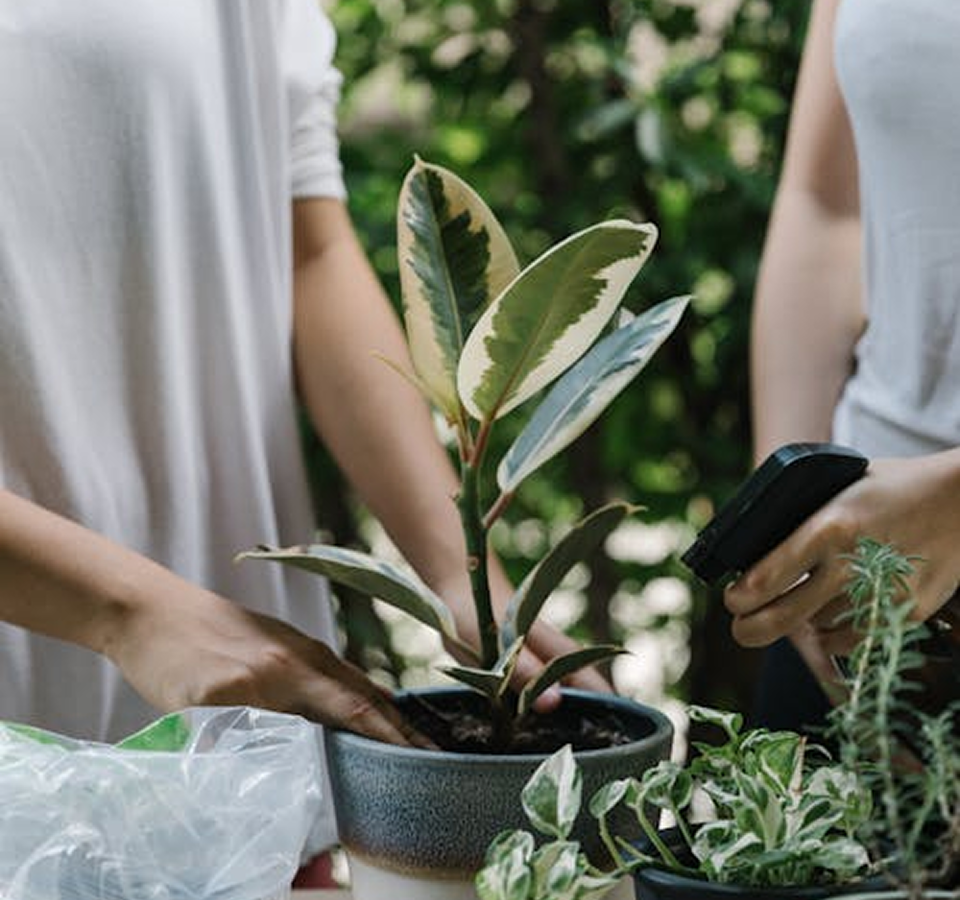
Partnering with local charities and community groups is central to creating a circular approach to garden waste. We actively collaborate with organisations that can reuse or redistribute materials from garden clearances, such as non-profits that take surplus plants, pots and reclaimed paving for community gardens. These relationships reduce landfill and keep useful items in circulation.Our charity partnerships include coordinated donation runs and scheduled drop-offs at community centres. Typical items we divert to partners include:
- Healthy potted plants and shrubs for community planting schemes
- Good condition tools, terracotta pots and cold frames
- Topsoil and compost suitable for raised beds
Through these programmes we support neighbourhood projects and ensure bulky garden items are reused rather than disposed of as waste.
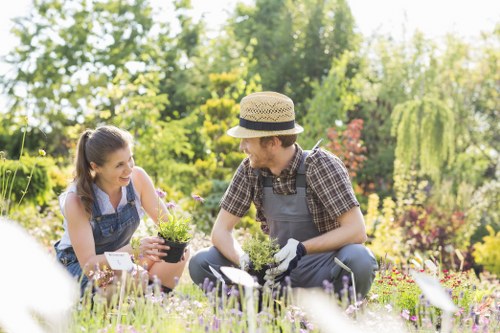 We also operate a small internal refurbishment process: recovered furniture or structure elements from garden makeovers are repaired and offered to partner charities or social enterprises. This is part of our wider emphasis on reuse before recycling.
Local Transfer Stations and Recycling Centres
For materials that cannot be reused locally, we work with authorised local transfer stations and civic amenity sites to guarantee compliant processing. We make regular collections to licensed facilities where green waste is composted, wood is processed for chipping, and inert materials are handled separately. Working with recognised centres ensures traceable, audited waste streams.When visiting transfer stations we follow a strict sorting protocol to protect recyclable quality and reduce contamination. Our practical steps include:
- Segregating clean soil from mixed waste
- Delivering untreated wood to chipping operations
- Taking contaminated or mixed construction debris to appropriate inert handling points
This reduces the environmental footprint of each job and helps us meet the recycling percentage targets we publish.
Low-Carbon Vans and Fleet Efficiency
Our fleet of low-emission vehicles is a key part of creating a sustainable rubbish gardening area. We are transitioning to a mix of electric vans and efficient hybrids with route optimisation software to minimise mileage. The aim is to cut operational emissions while keeping reliable service across Bayswater and neighbouring boroughs.Fleet measures include scheduled charging, driver training for eco-driving, and prioritising electric vehicles for short urban runs. We also trial alternative fuels for heavier vehicles and use load consolidation to avoid unnecessary trips. These steps help lower our Scope 1 emissions and support the wider shift to low-carbon local services.
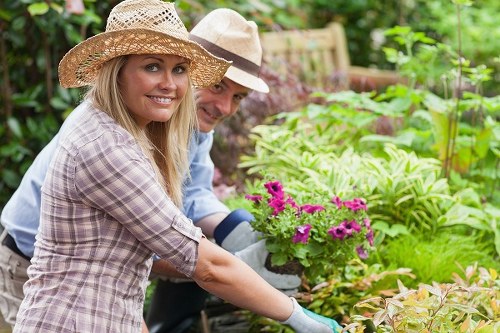 Creating sustainable rubbish gardening areas means more than transport: we implement on-site practices such as chipping branches for mulch, establishing local composting where space allows, and returning cured compost to clients as a soil improvement product. This reduces the need to import soil conditioners and closes the loop on garden organics.
 In collaboration with local borough waste strategies and community recycling initiatives we provide advice to householders and managers about how to separate materials on site. Where borough guidance specifies separate food and green waste collections, we align our methods to complement municipal services, not replace them. Our goal is to make sustainable garden maintenance straightforward and effective.
Key commitments include meeting our 70% recycling target, expanding charity partnerships, using licensed transfer stations, and upgrading to low-carbon vans. We also commit to transparent reporting on our waste diversion rates so clients and communities can see progress toward a greener Bayswater.
By combining practical on-site separation, community reuse programmes, and a cleaner fleet, Bayswater gardening services can deliver both beautiful outdoor spaces and measurable environmental benefits. Together with neighbourhood councils and local residents, we aim to make the eco-friendly waste disposal area a standard feature of modern garden care.
Our sustainability strategy is ongoing and responsive — we review targets, seek new partnerships, and invest in technologies that reduce waste and carbon. Thank you for considering a more sustainable approach to garden maintenance with a local, responsible gardening team.