Westminster council garden waste rules what gardeners must know
If you garden in Westminster, garden waste sounds simple until it suddenly isn't. One week you have a neat pile of hedge cuttings, grass clippings, and a few prunings; the next, you are wondering what can go in the bin, what needs bagging, and what happens if you leave the wrong material out on the kerb. Westminster council garden waste rules what gardeners must know is really about staying tidy, avoiding refusals, and making disposal easier for everyone involved.
That matters whether you are a homeowner with a modest courtyard, a landlord managing a small front garden, or a gardener handling regular maintenance. Get the basics wrong and you can end up with missed collections, extra labour, or waste that has to be moved twice. Get them right and the whole job feels calmer. Less fuss, fewer surprises, and honestly, a lot less mess in the back of the van.
Below, you'll find a practical guide to how garden waste is typically handled in Westminster, what gardeners should check before collection day, and how to keep your work compliant, efficient, and polite to neighbours and crews alike. I'll also flag the common traps people fall into, because there are a few, and they are annoyingly easy to miss.
- Quick takeaway: keep garden waste clean, separate from general rubbish, and ready in the format the council accepts.
- Best practice: plan waste removal before you start cutting, not after the pile has taken over the patio.
- For larger jobs: it may be easier to use a professional service that can handle clearance and recycling responsibly, such as garden clearance or routine garden maintenance.
One more thing before we dive in: council rules can change, collection arrangements can vary, and some properties have different practical constraints than others. So treat this as a detailed guide, not a replacement for checking the latest local guidance when you are about to put waste out. Sensible, boring, useful. The good stuff.
Why Westminster council garden waste rules what gardeners must know Matters
Garden waste is one of those things that looks harmless until it is not. Fresh grass clippings can go slimy quickly. Wet leaves compact into heavy sacks. Thorny cuttings poke through liners. And if you are working in a dense part of London, there is often very little spare space for storing anything, never mind a heap of prunings waiting for collection.
For gardeners, knowing the rules is not just about avoiding a nuisance. It affects how you plan the job, how long it takes, how many bags you need, and whether waste can be removed neatly in one visit or needs a second trip. That affects cost too. It also affects your reputation. If you leave a customer's front path cluttered with the wrong type of waste, they remember that. People always remember the path, don't they?
There is also the neighbour factor. Westminster has many terraces, mansion blocks, mews streets, and compact front gardens, so waste left out carelessly can block access or look untidy very quickly. In a place like that, tidy handling is part of good manners as much as good gardening.
If you offer more than a one-off tidy-up, it often makes sense to think about waste as part of the service itself. That is where ongoing garden maintenance and broader services overview planning can help. Waste doesn't magically disappear. It has to be managed properly, every single time.
Expert summary: the cleanest garden jobs are usually the ones where waste handling is planned before the first cut is made. That one habit saves time, reduces confusion, and keeps the finish looking professional.
How Westminster council garden waste rules what gardeners must know Works
At a practical level, garden waste rules normally revolve around three questions: what counts as garden waste, how it must be presented, and how it is collected or removed. Westminster households and gardeners should always check the current local arrangement before setting anything out, because collection formats and eligibility can change.
In everyday terms, garden waste is usually the biodegradable, plant-based material that comes from normal gardening work. Think grass cuttings, hedge trimmings, small branches, leaves, dead plants, and similar green waste. It is often kept separate from general household rubbish, recyclable packaging, and anything hazardous.
The tricky bit is contamination. A bag full of grass clippings sounds harmless until someone adds plastic ties, pot labels, broken terracotta, stones, treated timber, or general rubbish. Then the load becomes harder to process and may be rejected. To be fair, it only takes one or two wrong items to turn a neat waste stream into a problem.
As a gardener, your job is to separate materials as you work. If you are cutting a hedge, keep the healthy green cuttings apart from any hard waste or non-organic debris. If you are clearing a border, strip out cans, broken pots, string, plant supports, and other bits before the waste is bundled. That sounds obvious. In the middle of a rushed job, though, obvious things are exactly what get missed.
For heavier clear-outs, especially after a long neglected season, it may be more efficient to use professional help. A team offering garden clearance can usually sort, load, and remove waste in one coordinated process, which is often easier than juggling bags on a narrow Westminster street with nowhere to stage them.
Key Benefits and Practical Advantages
Understanding the rules is not only about compliance. It brings some very ordinary, very useful benefits that save time and stress.
- Cleaner job sites: gardens look better immediately when waste is separated and removed properly.
- Fewer collection issues: correctly sorted waste is less likely to be left behind.
- Lower risk of complaints: neighbours and clients are less likely to object to clutter, smell, or blocked access.
- Better working rhythm: when waste handling is organised, the whole maintenance visit feels smoother.
- More efficient pricing: if you know how much waste will be generated, you can quote more accurately.
- Stronger sustainability: green waste can often be handled in a more environmentally sensible way when it is cleanly separated.
There is also a subtle but important benefit: it makes you look professional. Not flashy. Just organised. And in garden work, organised is a compliment.
If you are already offering broader outdoor improvements, waste handling should sit alongside related services like lawn mowing, hedge trimming, and even tree lopping and removal. The more integrated the workflow, the less likely you are to end up with half-finished piles and multiple trips to sort them out.
Who This Is For and When It Makes Sense
This topic matters to more people than you might think. If you are in Westminster and you touch a garden at any point, the rules and practical expectations around green waste probably apply to you.
Homeowners and tenants
If you maintain your own garden, you need to know what can be set out for collection, what needs to be booked separately, and what should never be mixed in. A small job can become a big inconvenience if waste is left in the wrong container or on the wrong day.
Professional gardeners
If you work for multiple clients, this is part of your service standard. Customers expect the beds to look sharp, but they also expect you to leave the place neat. A lovely border with a heap of cuttings beside it is not quite the win people hope for.
Landlords and letting agents
For rental properties, waste control matters because it affects kerb appeal, tenant satisfaction, and sometimes the condition report. If the garden is left unmanaged, a simple seasonal tidy-up can turn into a proper clearance project. In those cases, landscaping or landscape gardening may be more appropriate than repeated minor fixes.
Busy households
Anyone with a packed schedule benefits from a system. If you only garden at weekends and the bin lorry timing is awkward, the rules become much more than a technicality. They shape what you can physically do with the waste, and when.
When does it make sense to call in help? Usually when the waste volume is too large for household handling, when branches are bulky, when access is tight, or when you simply do not want to spend your Saturday afternoon wrestling with green sacks in drizzle. Fair enough, really.
Step-by-Step Guidance
If you want the easiest path through Westminster council garden waste rules what gardeners must know, follow a simple process. It works whether you are a homeowner or a professional.
- Identify the waste type. Separate green waste from general rubbish, hard materials, and anything treated, painted, or contaminated.
- Remove foreign items. Check for plant ties, plastic pots, labels, glass, stones, and broken tools. It is boring, but it matters.
- Reduce volume. Chop long stems down, shake out soil where appropriate, and bundle material sensibly so it can be moved safely.
- Use the right containers. Follow the present council arrangement for bags, bins, or any approved collection method. Do not assume last year's setup still applies.
- Keep access clear. Waste should not block pavement access, shared gates, or entrances. In tight streets, this is especially important.
- Check timing carefully. Put waste out only when it is supposed to be collected. Early dumping is a fast route to complaints.
- Book extra removal if needed. For larger pruning sessions, seasonal clearances, or overgrown gardens, arrange a dedicated clearance rather than improvising.
A real-world example: a small front garden cut-back can look simple until you discover that half the debris is actually a tangle of ivy, brittle stems, old compost, and three plastic plant pots hiding underneath. If you sort it as you go, the clean-up becomes manageable. If you do not, it becomes a heap with opinions.
As a practical habit, many gardeners keep two separate collection areas while they work: one for clean green waste and one for everything else. That small split saves time at the end of the job. Honestly, it is one of the best habits in the trade.
Expert Tips for Better Results
Here are the little things that make a noticeable difference in real jobs.
- Cut before you pile: shorter material stacks better, bags more neatly, and is easier to move through narrow hallways or side passages.
- Work dry when possible: wet clippings are heavier, smell stronger, and can make bags split. A damp Monday morning after rain is nobody's favourite.
- Protect surfaces: if waste sits on paving, place it in a way that avoids staining or blocking drains.
- Use strong ties or manageable bundles: oversized bundles are awkward and often fail collection requirements anyway.
- Plan the exit route first: especially in mews houses and basement-access gardens, think about how the waste is leaving before you start loading it.
- Communicate clearly with clients: if a customer wants all waste removed, say so upfront and include it in the scope. That avoids awkward moments later.
There is also a sustainability angle here. Cleanly separated green waste is much easier to handle responsibly. If environmental practice matters to you or your clients, a clear process is worth its weight in compost. You can also read more about our approach to recycling and sustainability.
One tiny but useful trick: keep a folding tarp or heavy-duty sheet in the van. It gives you a cleaner loading surface, helps protect interiors, and makes small jobs feel less chaotic. It is not glamorous. It just works.
Common Mistakes to Avoid
Most waste problems are caused by a handful of repeat mistakes. The good news is they are easy to avoid once you know what to look for.
- Mixing green waste with general rubbish. This is the classic one. Once contamination starts, the whole load becomes less useful.
- Leaving soil-heavy material in the pile. Too much soil can make sacks very heavy and awkward to lift.
- Including non-organic items. Plastic, metal, string, and broken planters often sneak in without anyone noticing.
- Putting waste out too early. It can cause mess, complaints, or collection timing problems.
- Overfilling bags or containers. If it is hard to lift, it is usually too much.
- Ignoring access issues. Tight stairs, shared entrances, and narrow pavements all need planning.
- Assuming all gardens are treated the same. A small private courtyard and a communal block garden are not the same beast at all.
One common mistake in Westminster is underestimating volume. A hedge that looks manageable in the morning can produce a surprising mountain of waste by lunchtime. It happens all the time. It is one of those gardening truths nobody loves, but there it is.
Tools, Resources and Recommendations
You do not need an expensive kit to manage garden waste well, but the right tools save time and reduce stress.
- Heavy-duty sacks or bins: useful for loose leaves, grass, and lighter cuttings.
- Tarpaulin or groundsheet: ideal for keeping piles contained and making loading easier.
- Loppers, secateurs, and pruning saws: cutting waste into manageable pieces is worth the effort.
- Gloves and eye protection: especially important for thorny or splintery material.
- Barrow or sack truck: helpful where access is awkward or steps are involved.
- Bucket or tub for contaminants: keep non-green debris in one place so it does not get mixed by accident.
For larger or more involved jobs, it can be sensible to combine waste management with a full site tidy. That might include lawn mowing, hedge work, edging, and clearing away debris in one visit. If you are comparing service scopes, the pricing and quotes page can help you understand how broader work is usually approached.
If the job also includes hard landscaping or replacing tired features, you may want to think beyond disposal and into redesign. A clean-up can be the first step toward something better, not just a chore you have to get through. That is where landscaping or even decking services may come into the picture.
Law, Compliance, Standards, or Best Practice
Garden waste handling is shaped by local collection rules, general environmental expectations, and normal duty-of-care principles around waste segregation and safe presentation. In plain English, that means you should separate waste properly, avoid contamination, and follow the current Westminster arrangements rather than guessing.
For professional gardeners, best practice goes a bit further. You should be able to explain what will be removed, what stays on site, and what any extra clearance includes. You should also make sure waste is handled safely, especially where lifting, sharp materials, slippery paths, or traffic exposure are involved.
It is wise to be careful here: council collection arrangements, permitted container types, and any service conditions can change. If you are working on behalf of a customer, do not promise a method unless you know it is currently available. That kind of overconfidence is how awkward phone calls begin.
From a standards point of view, the main expectations are straightforward:
- keep waste clean and separate where possible;
- store and move it safely;
- avoid blocking public access;
- check local collection timing and presentation rules;
- arrange private clearance when the volume is beyond normal household handling.
If your work involves bigger removals, tree waste, or repeated site visits, look at the whole safety picture too. Our health and safety policy and insurance and safety information explain the kind of standards that should sit behind any professional outdoor service. It is not exciting reading, granted, but it is reassuring.
Options, Methods, or Comparison Table
There is more than one way to manage garden waste in Westminster. The right method depends on size, access, frequency, and how hands-on you want to be.
| Method | Best for | Pros | Limitations |
|---|---|---|---|
| Household council collection | Smaller, routine green waste | Convenient when you are within the council process | Must follow the correct format and timing |
| Self-loading to a disposal point | People with transport and flexibility | Gives direct control over timing | Time-consuming, messy, and not ideal for large loads |
| Professional garden clearance | Overgrown, bulky, or urgent jobs | Fast, tidy, and suited to bigger volumes | Usually costs more than doing it yourself |
| Ongoing maintenance with waste removal | Regular gardens needing repeat care | Keeps the property under control all year | Works best with a planned schedule |
For most Westminster gardens, the right answer is not one method forever. It changes with the season. Spring pruning is one thing. Autumn leaf fall is another. A property that is neat in April can be a leafy headache by October, and that's just life in a city with real trees.
Case Study or Real-World Example
Imagine a compact Westminster courtyard after a long, wet spell. The owner wants the space back in shape before a family gathering on Saturday. The garden has overgrown shrubs, soggy leaves, a patchy lawn, and a couple of neglected pots tucked behind the fence. Nothing dramatic, but enough to feel a bit defeated when you first open the gate.
The sensible approach is to split the job into stages. First, remove non-green clutter: broken pots, ties, and any general rubbish. Next, cut back the shrubs and hedge sections into smaller lengths. Then collect the lawn cuttings separately from the leafy material. Finally, check whether the volume is still manageable for a standard collection or whether a dedicated clearance is the cleaner option.
In a job like this, the waste itself often tells you what to do next. If it is light and clean, keep it separate and follow the normal collection arrangement. If the piles start creeping into a second load, or if access is awkward, a professional clearance becomes the better call. No drama, just practicality.
This kind of approach also protects the rest of the project. Instead of spending the last hour wrestling with bags, you finish with edging, sweeping, and a garden that actually looks ready for people to use. That final half hour can make the whole job feel twice as good.
Practical Checklist
Use this before you put garden waste out or book a clearance.
- Have I separated green waste from general rubbish?
- Have I removed plastic, metal, pots, string, and other non-organic items?
- Is the waste manageable in size and weight?
- Does the waste need to be chopped down further before collection?
- Have I checked the current Westminster collection arrangement?
- Am I putting it out on the correct day and in the correct format?
- Will the waste block access, paving, or shared entrances?
- Do I need a larger clearance because the volume is more than expected?
- Have I planned for wet weather, heavy bags, or awkward access?
- Would a fuller maintenance visit make more sense than a one-off tidy-up?
If you can tick most of those off, you are usually in good shape. If not, pause for a minute and sort the waste plan first. It saves a headache later.
Conclusion
Westminster council garden waste rules what gardeners must know is, at its heart, a practical guide to doing the job cleanly, safely, and without avoidable hassle. Keep green waste separate, check the current collection arrangements, avoid contamination, and plan for access before the bags start piling up. That is the simple version, and it is the one that matters most.
For gardeners, the real win is not just compliance. It is flow. Jobs finish quicker, customers feel better about the result, and you spend less time dealing with awkward leftovers. In a busy part of London, that kind of order is worth a lot.
If your garden work regularly produces more waste than a standard household system can comfortably handle, it may be time to build clearance into the service plan rather than treating it as an afterthought. That is often the difference between a tidy finish and a slightly frustrating one.
Get a free quote today and see how much you can save.
And if you want to understand the people behind the service before you book, you can always learn more about us. We keep things straightforward, careful, and properly done. Nothing fancy. Just the sort of help that leaves a garden looking like it should.
Frequently Asked Questions
What counts as garden waste in Westminster?
Garden waste usually means biodegradable material from normal gardening work, such as grass cuttings, leaves, hedge trimmings, small branches, and dead plants. It should be kept separate from household rubbish and non-organic debris wherever possible.
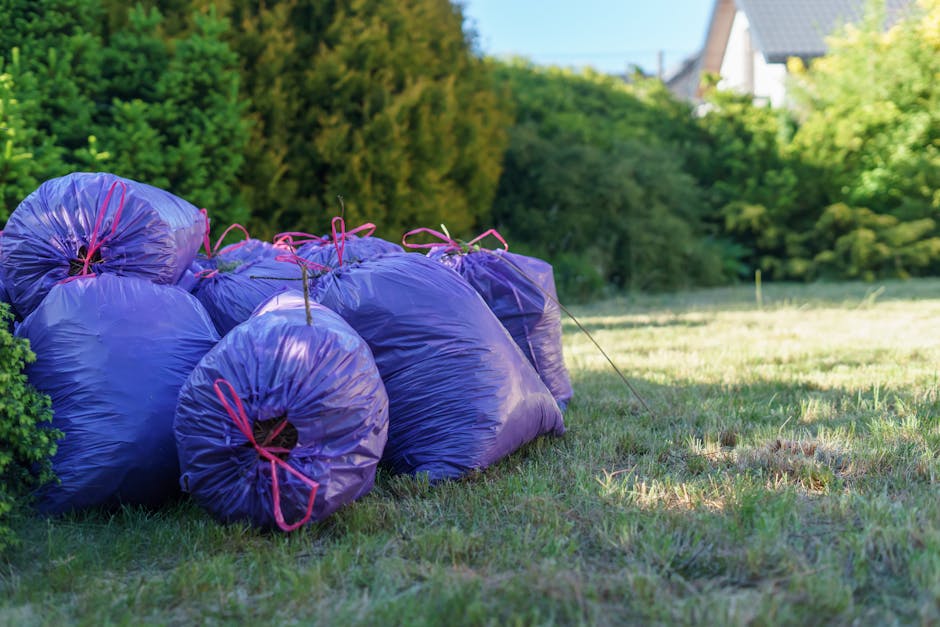
Can I put garden waste in black bags?
Sometimes people do for storage, but you should only present waste in the format currently accepted for collection. The important thing is not the colour of the bag; it is whether the council will take it and whether it is clean, manageable, and correctly prepared.
Do I need to remove soil from plants before disposal?
It is usually sensible to shake off excess soil where you can. Heavy soil makes waste harder to lift and process. A little residue is normal, but large clumps can become a problem, especially in bulky bags.
What should I do with broken pots and plant labels?
Those should not be mixed into green waste. Remove them and sort them separately before collection. It only takes a minute and saves a lot of mess later.
What happens if garden waste is contaminated?
Contaminated waste may be rejected, left behind, or more difficult to process. That can mean extra handling, extra time, and sometimes extra cost if you need to sort it again.
Is professional garden clearance better than council collection?
It depends on the job. For small, routine amounts, council collection may be enough. For large, bulky, or awkward clear-outs, a professional clearance is often faster and much less stressful.
How can I make hedge trimmings easier to remove?
Cut them down into shorter lengths, bundle them neatly, and separate them from other debris. Hedge work can generate a surprising amount of waste, so a tidy cutting process really helps.
Does garden waste need to be dry before collection?
Not always, but drier waste is usually lighter and easier to handle. Wet clippings are heavier and can become unpleasant quickly, especially if they are left sitting for a while.
Can I mix lawn cuttings with branches?
It is better not to mix them if you can avoid it. Different materials behave differently, and separating them keeps the load cleaner and easier to manage. Small mixes happen, of course, but clean separation is the standard to aim for.
What is the best way to handle waste from a seasonal garden tidy-up?
Plan ahead. Break the work into sections, separate the waste as you go, and decide early whether the volume will fit normal collection or whether you need a dedicated clearance. Seasonal jobs are where planning pays off most.
How do I avoid complaints from neighbours when putting out garden waste?
Keep the area tidy, do not block pavements or shared access points, and put waste out only at the right time. In Westminster, where space is often tight, neatness goes a long way.
Can waste from landscaping work be handled the same way as normal garden waste?
Not always. Landscaping can produce mixed materials, including soil, turf, hardcore, timber, and old planting materials. That often needs a more careful clearance plan than simple green waste collection.
For services, policy information, and practical support around safe, organised garden work, you may also find recycling and sustainability and our services overview useful when planning your next step.